
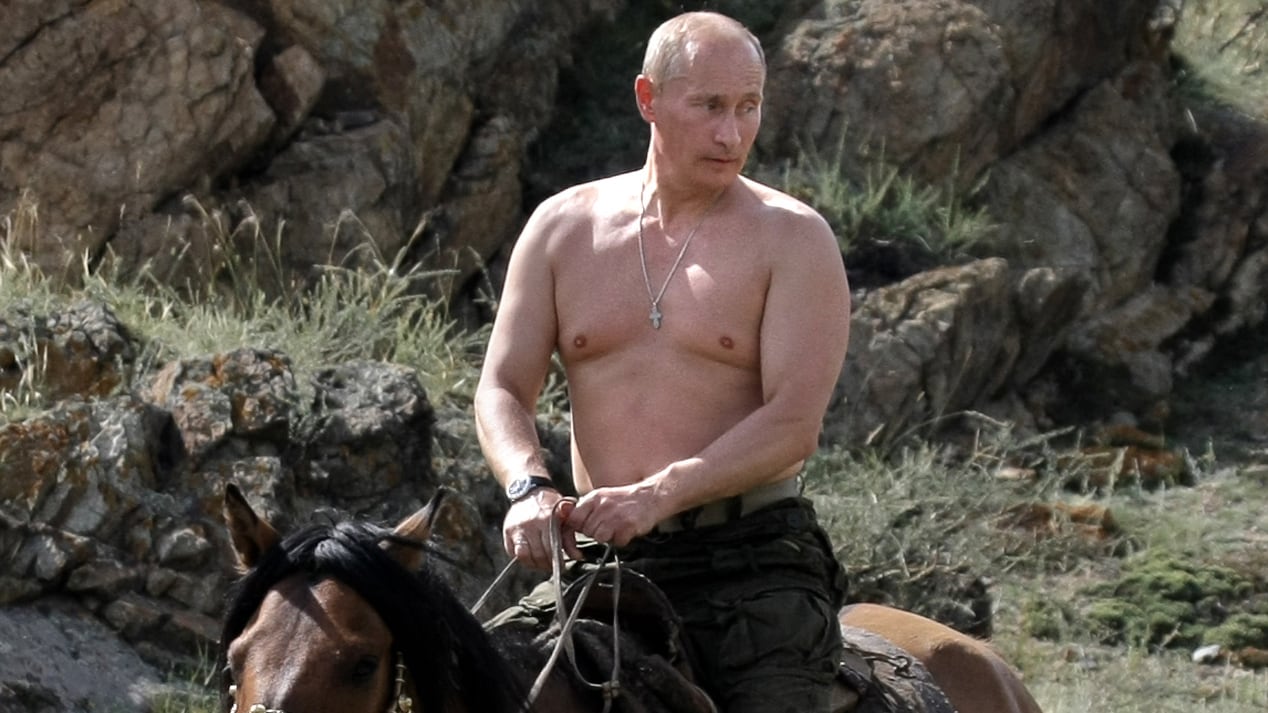
Abstract: While Vladimir Putin’s masculine image has received extensive scholarly attention, less is known about the masculinities of China’s authoritarian leaders. This paper offers a comparative analysis of Russian and Chinese leaders’ gendered personas, contrasting Russia’s performance of “sexualized power” with China’s display of “patriarchal authority.” It explores how these constructions illuminate forms of misogyny, homophobia, and anti-Western sentiment in each regime. Situating these narratives within a broader historical and cultural context, this paper examines China and Russia’s divergent approaches toward their Communist history, the cultural differences in conceptualizing masculinity, and taboos around sexuality in East Asia. Despite their differences, both regimes respond to a perceived “crisis of masculinity” by repressing feminist and LGBTQ+ movements, through the “remasculinization of men” in Russia and the “infantilization of women” in China. Yet, feminist activists in both countries arealso gradually constructing a counter-narrative to the state through popular cultures such as stand-up comedy and TV series.
 Shirley Xinyi Cai